
The 12-step launch checklist
| Step | Decision | Pass condition |
|---|---|---|
| 1 | Audience | One specific reader is named |
| 2 | Promise | Outcome and frequency are clear |
| 3 | Sender | Domain-based identity selected |
| 4 | Authentication | SPF, DKIM and relevant DMARC checks pass |
| 5 | Consent | Form copy and privacy link are complete |
| 6 | Organisation | Group and required fields are defined |
| 7 | Form | Mobile signup works |
| 8 | Welcome | Promise is delivered automatically |
| 9 | Campaign | First useful issue is ready |
| 10 | Measurement | One primary action is tracked |
| 11 | Unsubscribe | Suppression works |
| 12 | Recovery | Contacts and configuration can be exported |
1. Define a specific reader
Write down the role, situation and immediate decision of the person the newsletter serves. Avoid an audience described only as everyone interested in marketing.
A narrow first audience improves the signup promise, examples and distribution. The publication can expand after it earns attention.
2. Write the promise and cadence
Use the same promise on the form, confirmation and first welcome email. A subscriber should not have to infer what they joined.
- What the reader receives.
- What problem or decision it helps with.
- How often it arrives.
- Who sends it.
- What promotional content may appear.
3. Establish sender identity and authentication
Use a domain-based address monitored by a person or team. Configure SPF and DKIM exactly as instructed and apply an appropriate DMARC plan. Complete account approval before announcing launch.
Authentication supports trust but does not compensate for purchased data, unclear consent or irrelevant content.
4. Design the signup experience
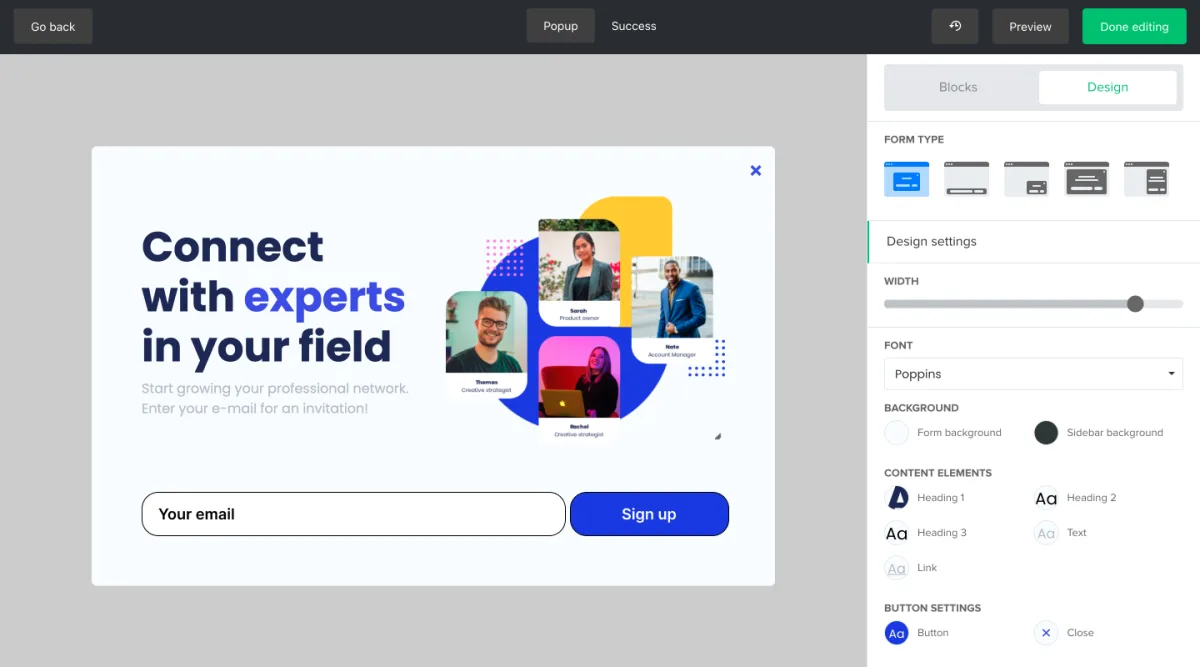
Ask for the minimum useful information, connect the correct group and write a meaningful success state. If double opt-in is enabled, explain that another step is required and design the confirmation message.
Test the form on a small phone, with keyboard navigation and with an address already on the list.
5. Build the welcome path
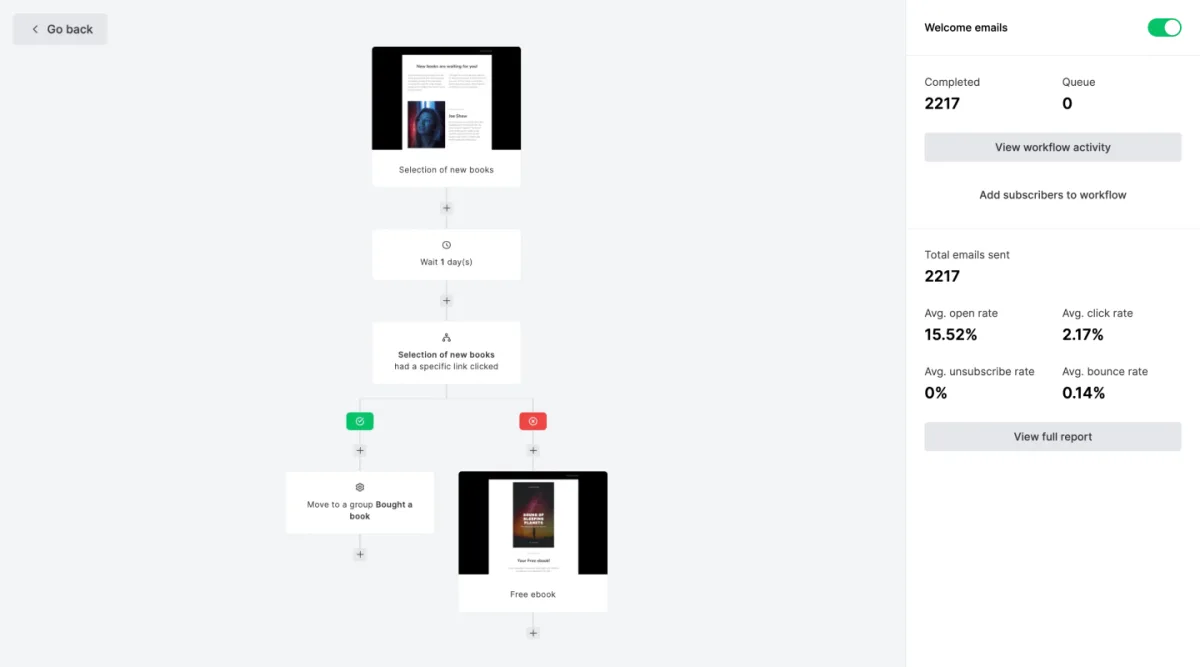
The first message should deliver the promise immediately. A second can solve an adjacent problem; a third can introduce the next guide or offer. Add delays and verify exclusions.
Do not launch with an elaborate sequence that has never been tested. One correct message is better than seven fragile ones.
6. Prepare the first issue before collecting traffic
A welcome message proves the system, but the first regular issue proves the editorial promise. Write it before promotion so new readers do not enter an empty schedule.
Choose one primary action and make the message useful even if the reader never clicks.
7. Run the launch test matrix
| Test | Device or state | Expected result |
|---|---|---|
| Signup | Mobile and desktop | Form completes without confusion |
| Confirmation | New and existing address | Correct status and message |
| Welcome | Gmail and another provider | Sender, links and rendering work |
| Automation | Every branch | Timing and exclusions work |
| Unsubscribe | Campaign and automation | Future promotions are suppressed |
| Export | Administrator account | Fields and groups are present |
8. Launch to a controlled audience
Begin with people who genuinely requested the publication. Monitor replies, delivery problems, unsubscribes and complaints before scaling distribution.
Fix the journey before buying traffic or asking partners to promote it. Acquisition magnifies both strengths and failures.
9. Review after the first campaign
- Did the signup promise match the email?
- Which link or reply represented useful intent?
- Where did subscribers leave the journey?
- Did any group, field or branch create confusion?
- What will change before the next issue?
Launch FAQ
How many subscribers are needed before sending? A useful newsletter can begin with a very small consented group. The feedback is often more valuable than waiting for scale.
Does a launch need a lead magnet? No. A strong newsletter promise can be sufficient. Use a lead magnet only when it attracts the same audience.
Should the entire sequence be written first? Prepare the first welcome and regular issue. A short tested sequence is enough to start.
When is paid acquisition appropriate? After the complete journey works and the value of a qualified subscriber is understood.